Plumbing renovation is a crucial element of any home improvement or constructing upgrade project, immediately impacting performance, safety, and long-term property worth. Engaging in a plumbing renovation addresses outdated, inefficient, or deteriorated methods, resolving frequent challenges corresponding to leaks, water stress inconsistencies, and poor water quality. Beyond mere restore, a thoughtfully executed plumbing renovation integrates trendy supplies, smart technologies, and compliance with current building codes to optimize the home’s water management system. Understanding the complete scope of plumbing renovation—from planning to implementation—is essential for homeowners aiming to enhance comfort, scale back future maintenance costs, and improve general living high quality.
Understanding the Fundamentals of Plumbing Renovation
Before embarking on a plumbing renovation, it’s essential to understand the fundamentals that outline the process and set up the framework for efficient upgrades. Plumbing renovation encompasses not only fixing or replacing pipes but also redesigning the water distribution and waste administration techniques to align with contemporary standards and house owner wants.
The Role of Plumbing in Home Infrastructure
The plumbing system acts because the spine of a building’s water distribution and waste removal. It consists of provide lines delivering potable water, drainage and vent systems for removing wastewater, and ancillary components such as fixtures and appliances.
Updating this infrastructure via renovation results in benefits corresponding to improved water effectivity, discount of well being hazards associated with outdated pipes (e.g., lead contamination), and mitigation of water harm dangers that come from pipe failure or corrosion. Well-maintained systems lengthen the lifetime of the property and guarantee occupants’ consolation and safety.
Common Signs Indicating the Need for Plumbing Renovation
Homeowners typically experience identifiable signs that signal when plumbing renovation is critical:
- Persistent leaks: Even minor leaks can escalate into structural harm and mold development if left unattended. Corroded or outdated pipes: Materials like galvanized metal or polybutylene are vulnerable to failure and don't meet today’s security requirements. Water stress points: Fluctuating or constantly low pressure signifies system inefficiencies or blockages. Discolored water or poor style: A signal of pipe degradation or contamination requiring substitute or filtration upgrades. Frequent clogs or gradual drainage: Indicates potential issues in the venting or waste elimination methods.
Addressing these issues promptly through renovation avoids escalating repair prices and enhances the home’s functionality.
Relevant Codes and Standards Governing Plumbing Renovations
Compliance with the International Plumbing Code (IPC), Uniform Plumbing Code (UPC), and local municipal regulations is non-negotiable in plumbing renovation. These codes regulate pipe supplies, joint varieties, venting techniques, backflow prevention, and fixture installations to ensure security and hygiene.
For example, minimal pipe diameters are specified to keep away from clogging; venting requirements stop sewer gases from entering dwelling areas; and the incorporation of anti-scald valves protects residents from water temperature extremes.
Non-compliance risks code violations, failed inspections, and liability, underscoring the significance of professional session during renovation planning.
Having established the foundational knowledge and indicators demanding renovation, the subsequent step is to look at the detailed planning and design issues essential for a successful plumbing improve.
Planning and Designing an Effective Plumbing Renovation
A meticulously planned plumbing renovation maximizes funding returns by rising property value and minimizing future disruptions. The design section requires evaluating existing circumstances, establishing home-owner priorities, and integrating modern plumbing applied sciences within safety and regulatory frameworks.
Assessing Existing Plumbing Infrastructure
A thorough inspection identifies supplies, pipe circumstances, layouts, and potential drawback areas. Techniques corresponding to video pipe inspection cameras reveal hidden corrosion or blockages, while water stress tests decide system integrity.
This assessment informs selections relating to full system replacement versus selective upgrades, optimizing cost-effectiveness and project scope.
Setting Clear Objectives and Budget Constraints
Clarifying renovation objectives helps prioritize design choices:
- Improving water efficiency and reducing utility prices; Replacing hazardous supplies like lead or asbestos-containing fixtures; Expanding capability for added bogs or fashionable home equipment; Incorporating smart residence plumbing features such as leak detection sensors.
Setting a practical budget maintains project feasibility and helps balance quality with affordability, stopping unforeseen expenses.
Integrating Sustainable and Energy-Efficient Solutions
Modern plumbing renovation emphasizes sustainability through low-flow fixtures, water-saving toilets, and tankless water heaters, which substantially scale back water and energy consumption.
Leveraging greywater recycling systems and rainwater harvesting not solely conserves resources but could qualify for local incentives or credit, boosting the property’s environmental profile and market appeal.
Incorporating Smart Plumbing Technologies
Smart water monitoring techniques and automated shutoffs prevent water harm and help detect leaks early, defending home investment. Integration with home automation presents distant monitoring, alerts, and utilization analytics, contributing to efficient water administration.
Hiring Qualified Professionals and Collaborating Effectively
A licensed plumber with renovation experience ensures adherence to code, optimal design execution, and effective coordination with electricians, HVAC specialists, and interior designers. Clear communication and detailed project plans mitigate dangers of costly rework or delays.
With a rigorous plan and design in place, consideration naturally shifts to choosing appropriate materials and the nuances of installation practices—the bedrock of longevity and efficiency in any plumbing renovation.
Material Selection and Installation Best Practices
The selection of plumbing materials deeply influences system sturdiness, maintenance frequency, and well being safety. Skilled set up further ensures these supplies carry out as intended under numerous loads and situations.
Overview of Plumbing Pipe Materials
Current plumbing renovation developments favor materials balancing durability, cost, and safety:
- Copper: Long-lasting with glorious corrosion resistance; preferred for provide strains but costlier than options. PEX (Cross-linked Polyethylene): Flexible, straightforward to install, immune to scale and chlorine; reduces joint failures. CPVC (Chlorinated Polyvinyl Chloride): Used for hot and cold water, presents thermal resistance; more inflexible than PEX. PVC (Polyvinyl Chloride): Primarily for drain-waste-vent (DWV) methods; cheap and lightweight.
Avoiding older materials like galvanized steel or lead pipes is essential because of well being and functionality dangers.
Fixture and Appliance Selection to Complement Renovation
Fixtures corresponding to taps, bathrooms, and showerheads should help water effectivity standards like EPA’s WaterSense certification. High-efficiency appliances cut back consumption without sacrificing performance, further reducing utility payments and environmental impression.
Proper Installation Techniques for Optimal Performance
Correct installation prevents leaks, pressure drops, and untimely wear. This contains following torque specs on fittings, guaranteeing proper slope in drainage strains to avoid blockages, and correctly venting techniques to stop sewer gas infiltration.
Use reforma pedreiro of certified fittings and adherence to manufacturer specifications guarantees system efficiency and maintains warranty validity.
Testing, Inspection, and Quality Assurance
Post-installation strain testing identifies leaks early. Video inspections verify clear drainage pathways. Compliance inspections verify code adherence, allowing troubleshooting earlier than project handover.
Having addressed materials and set up, understanding the broader benefits and problem-solving elements inherent in plumbing renovation enhances appreciation for its strategic significance in home improvement.
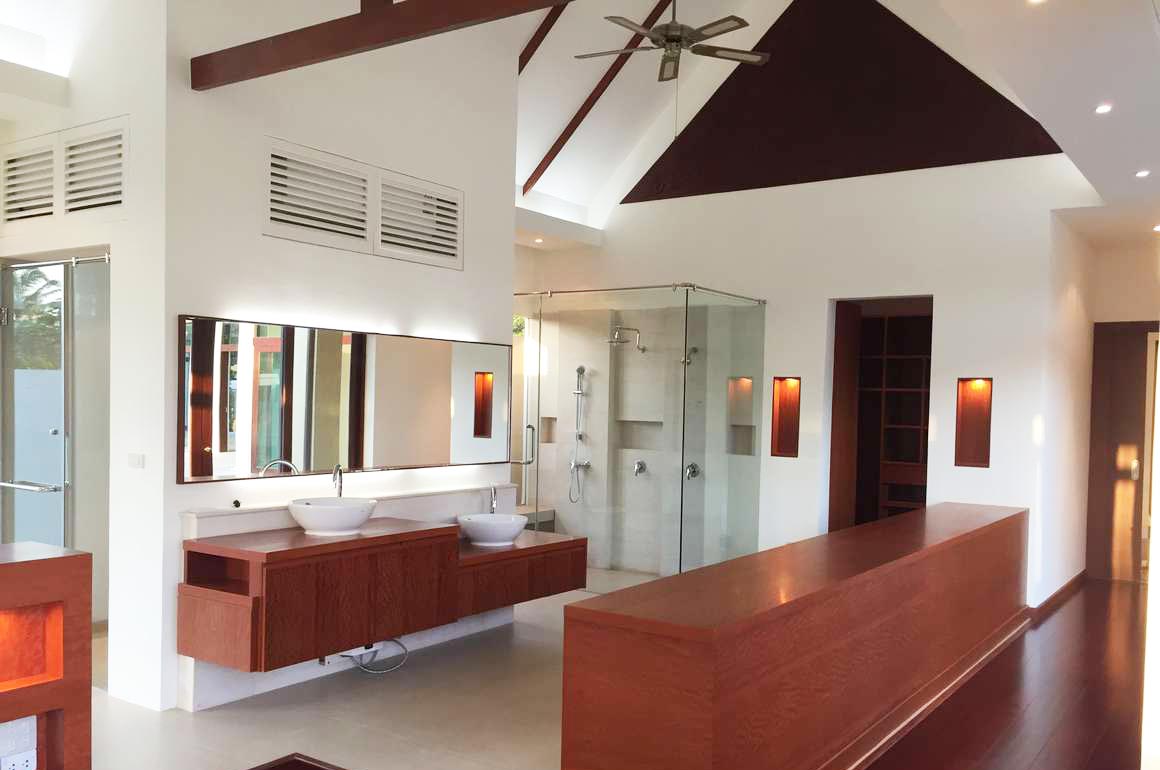
Benefits of Plumbing Renovation: Problem Solving and Value Enhancement
Plumbing renovation transcends functional repair, delivering sturdy solutions that yield measurable enhancements in residence quality and financial returns.
Enhancing Home Value and Market Appeal
Modern, code-compliant plumbing systems are major promoting points in real estate. Renovated houses often command larger value determinations because recent plumbing reduces seen points and latent risks, offering patrons peace of mind.
Reducing Long-Term Maintenance and Operational Costs
New pipes and fixtures lower the frequency of emergency repairs, minimizing disruption and unplanned expenses. Low-flow and energy-efficient merchandise minimize utility payments, producing cumulative financial savings over time.
Improving Water Quality and Health Safety
Replacing outdated pipes eliminates contamination sources (e.g., lead), whereas updated filtration and water therapy techniques guarantee protected and pleasant water for every day use.
Mitigating Structural Damage Risks
Addressing leaks proactively via renovation prevents mildew progress and structural rot, preserving the building’s integrity and avoiding costly remediation later.
Increasing Comfort and Functionality
Enhanced water stress, reliable scorching water supply, and trendy fixtures enhance the general person expertise, making the house more livable and cozy.

Recognizing these benefits naturally brings up necessary considerations for ongoing system upkeep and future-proofing methods.
Maintenance and Future-Proofing Post-Renovation
Effective plumbing renovation extends past set up; it requires a maintenance culture and forward-thinking to safeguard system performance over years.
Developing a Maintenance Schedule
Regular inspections for leaks, pressure testing, and fixture cleaning prolong system life. Simple house owner tasks—such as monitoring water payments for unusual spikes—can sign points early.
Upgrading Components as Technology Advances
Smart residence integration evolves quickly. Staying informed about new leak detection units, distant shutoff valves, or energy recovery systems helps maintain plumbing at peak effectivity.
Keeping Documentation and Warranties Organized
Maintaining up-to-date plans, manufacturer warranties, and inspection information facilitates troubleshooting and helps resale value when transferring possession.
With ongoing care established, a summary of core principles and actionable guidance helps owners mobilize their plumbing renovation efforts effectively.
Key Takeaways and Practical Next Steps
Plumbing renovation is a transformative investment that upgrades home security, performance, and worth. Key factors to remember embody:
- Recognize early signs of plumbing points to prevent pricey outcomes; Prioritize code compliance and professional expertise to ensure security and high quality; Select modern, durable materials and energy-efficient fixtures to reinforce efficiency and sustainability; Plan renovations with clear goals and price range to optimize resources and outcomes; Adopt a maintenance regimen to preserve the system’s longevity and avert emergencies.
For actionable development:
Schedule a licensed plumber to conduct a comprehensive system inspection and evaluation; Develop an in depth renovation plan emphasizing efficiency, security, and regulatory compliance; Request a number of quotes from qualified contractors to compare scope and value; Confirm all materials and fixtures meet present building codes and sustainability requirements; Plan for future good upgrades and upkeep commitments post-renovation.By following these steps, homeowners maximize the benefits of their plumbing renovation, reaching an optimized system that contributes positively to house worth, comfort, and daily residing.